
Article: Best Non-GMO Feed for Chickens: Buying Guide
Best Non-GMO Feed for Chickens: Buying Guide
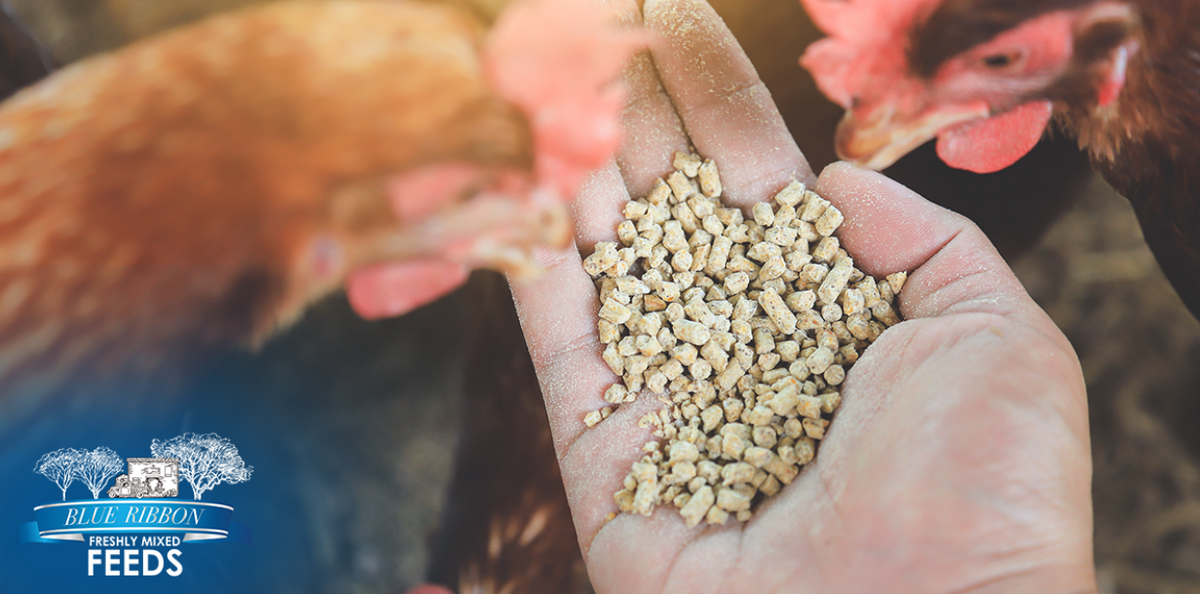
Keeping chickens is one of the most rewarding things you can do at home. Fresh eggs, friendly birds, and more control over your food all make it worthwhile. And when it comes to that control, nothing matters more than what goes in the feeder. That is why so many keepers are turning to non GMO feed for chickens.
But walk into a feed store or browse online and the choices pile up fast. Different brands, different labels, different prices, and plenty of friendly words on the bag. How do you know which one is actually worth buying? This guide breaks it down in plain terms. We will cover what non-GMO feed is, what to look for, and how to match the right feed to your flock, so you can shop with confidence. Let us dig in.
What Is Non-GMO Chicken Feed?
Non-GMO chicken feed is feed made without genetically modified ingredients. Most standard chicken feed is built around corn and soybean meal, and in the United States, the large majority of both crops are genetically modified. Non-GMO feed uses versions of those grains that have not been genetically engineered.
The idea is simple. When you raise your own chickens, you want to know exactly what they are eating, especially when those birds give you eggs or meat for your family. Non GMO chicken feed skips the genetically modified grains in favor of cleaner, more straightforward ingredients. Many keepers see it as a natural extension of why they started a backyard flock in the first place, which is more control over their food.
It is worth clearing up one common mix-up. Non-GMO is not the same as certified organic. Organic feed follows a strict set of farming rules, while non-GMO feed simply avoids genetically modified ingredients and is often checked by a third party. Both offer cleaner nutrition than typical commodity feed, but they are different labels. For many backyard keepers, non GMO poultry feed hits the sweet spot of clean quality at a fair price.
Why Choose Non-GMO Feed for Your Flock?
So why do so many keepers decide non-GMO feed is worth it? The reasons go beyond the bag itself.
The biggest one is peace of mind. Choosing natural chicken feed made without genetically modified grains means you know more about what your birds eat and, in turn, what ends up in your eggs and meat. For families who keep chickens specifically to eat cleaner, that matters a great deal. Many keepers also prefer non-GMO feed because it often comes with fresher, higher-quality grains and fewer mystery fillers.
There is also a values side. Some keepers simply prefer to support grains grown without genetic engineering, and others like being able to tell customers at the farm stand that their eggs come from non-GMO fed hens. None of this requires fancy marketing claims. The appeal of non-GMO feed is honest and practical: cleaner ingredients, more control, and confidence in what you are feeding. Now let us look at how to pick a good one.
5 Things to Check Before You Buy
Not every bag labeled clean or natural lives up to the promise. Here are five things to check so you get the best non GMO chicken feed for your flock.
1. Look for real verification. Words like "natural" sound nice, but they do not guarantee anything about genetic modification. What you want is third-party proof. Look for feed that is Non-GMO Project Verified, which means an independent group has checked the product against a clear standard rather than the company simply labeling it itself. That verification is your assurance the feed lives up to the claim on the front.
2. Check the protein level. Protein should match your birds' stage of life. Chick starter runs high, usually around 18 to 20 percent, to fuel fast early growth. Layer feed is a bit lower, around 16 to 18 percent, with added calcium. Matching protein to your flock is key to healthy birds.
3. Read the ingredient list. Good feed is built on clean, recognizable grains and a clear protein source, not long lists of vague fillers. Short and simple is usually better.
4. Match it to your birds' stage. Chicks, growers, layers, and mixed flocks all have different needs. A good feed is made for the birds eating it, which we will cover more below.
5. Consider freshness and source. Even great feed loses value sitting in a warehouse for months. Look for feed milled fresh and, ideally, made in the USA by a company you can learn about. Fresh feed from a trusted source delivers more of its nutrition.
Matching Non-GMO Feed to Your Flock
One of the most important parts of buying feed is choosing the right type for your birds. Penn State Extension notes that feeds are formulated for specific ages and stages, so matching the feed to the flock is the whole game. Here is how it breaks down.
Baby chicks need a high-protein starter feed from day one until about six weeks of age. This is the most important feeding window of a chicken's life, so clean, quality nutrition really counts here.
Laying hens need a layer feed once they begin laying, around eighteen to twenty weeks. Non GMO layer feed contains added calcium that hens need to form strong eggshells, which is why you wait until they are actually laying to feed it.
Mixed flocks with birds of different ages and types do best on an all flock feed. It runs higher in protein and keeps calcium low, so it suits everyone, with a dish of oyster shell offered on the side for the laying hens.
And for treats, scratch grains are a fun extra but not a complete feed. Keep them to a small share of the diet so they do not crowd out balanced nutrition.
Don't Forget the Extras
A good non-GMO feed is the foundation, but a few simple extras round out a healthy flock. These small items make a real difference and are easy to keep on hand.
Clean, fresh water should always be available, since chickens drink often and cannot lay or stay healthy without it. Grit helps birds grind up and digest their food, especially if they eat whole grains or forage. Crushed oyster shell, offered free choice in its own dish, gives laying hens the extra calcium they need for strong shells while letting other birds take only what they want. With a quality feed and these basics in place, your flock has everything it needs to thrive, no matter the season.
Why Blue Ribbon Stands Out
If you want clean feed without the guesswork, Blue Ribbon Non-GMO Feeds are built for exactly that. The philosophy is simple: real feed, real farmers, real results. Every bag is Non-GMO Project Verified and milled fresh in Pennsylvania, then shipped straight from the mill to your coop with no middlemen in between.
That direct approach is what keeps clean feed affordable. Blue Ribbon is built on the idea that non-GMO nutrition should not cost a bale and a half, so you get honest quality at a fair price. Whether you are raising chicks, laying hens, or a mixed flock, there is a clean, non-GMO option made for the way real people farm. It is feed you can trust, from a company that keeps things straightforward.
Frequently Asked Questions
What non-GMO feed should I give baby chicks?
Chicks need a higher-protein starter feed from day one until about six weeks of age. The Blue Ribbon Non-GMO Chick Starter Crumbles are made for this stage, with a clean, non-GMO formula and a crumble texture that is easy for tiny beaks to pick up.
What is the best non-GMO feed for laying hens?
Once hens start laying, they need a layer feed with added calcium for strong shells. The Blue Ribbon Non-GMO Egg Layer Pellets are built to support steady egg production with clean, non-GMO nutrition.
I have a mixed flock. Which feed should I use?
For birds of different ages and types, an all flock feed keeps things simple. The Blue Ribbon Non-GMO All Flock Crumbles work well for mixed flocks, with oyster shell offered on the side so your laying hens get the extra calcium they need.
Can I give my chickens treats or scratch grains?
In moderation, yes. The Blue Ribbon Poultry Scratch Grains make a nice treat, but keep scratch to a small part of the diet so it does not crowd out balanced feed. Feed it in the afternoon after birds have had their complete feed.
Do you carry feed for other animals besides chickens?
Yes. Blue Ribbon also offers the Blue Ribbon Non-GMO All Stock Pellets for keepers raising more than just poultry. You can browse the full lineup on the Blue Ribbon shop page.
Is non-GMO feed really worth the cost?
Many keepers think so. Even a small price difference buys cleaner, more traceable ingredients and real peace of mind. Blue Ribbon keeps the gap small by milling fresh in the USA and shipping straight to your door, so clean feed stays affordable.
Final Thoughts
Choosing the best non GMO feed for chickens does not have to be complicated. Look for real Non-GMO Project verification, check that the protein fits your birds' stage, read the ingredient list for clean quality, match the feed to your flock, and buy fresh from a source you trust. Run through those checks and you will feed your birds with confidence.
If you are ready to give your flock clean, dependable nutrition, Blue Ribbon Non-GMO Feeds deliver fresh, American-made quality at a fair price. Real feed, real farmers, real results. That is what your chickens deserve at every feeding.


Leave a comment
What do you want to hear about next? We'd love to hear from you!