
Grass-Fed Isn’t Enough: How Supplemental Non-GMO Feed Completes the Diet
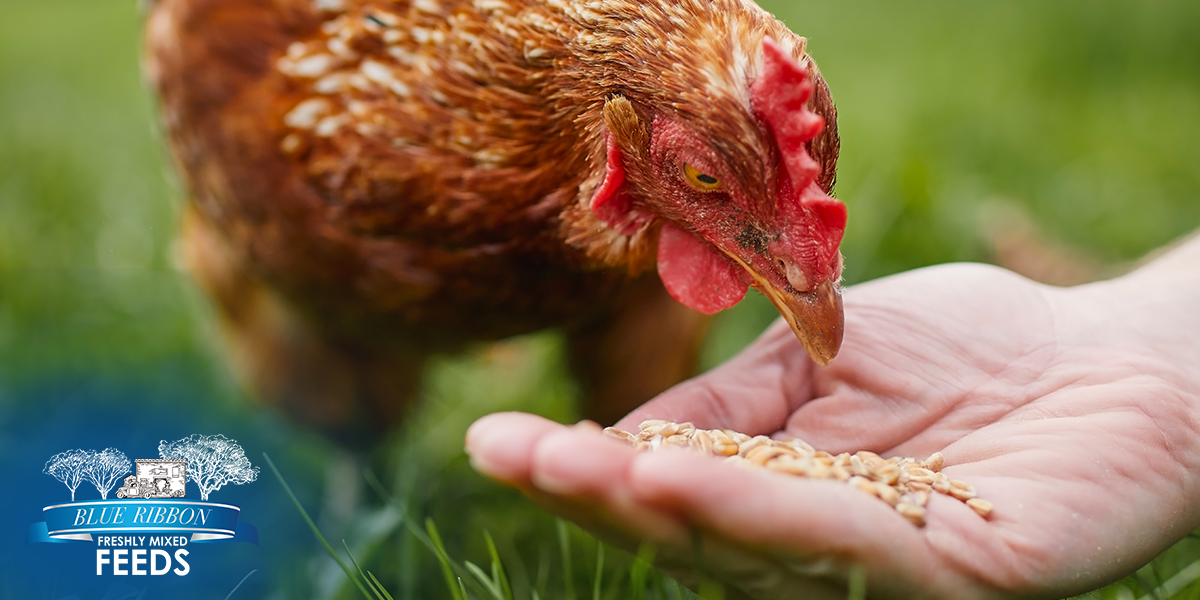
Pasture access is widely recognized as a positive component of poultry management. Chickens benefit from the ability to forage, express natural behaviors, and consume a variety of plant material and insects. While these inputs contribute to overall well-being, grass-fed systems alone do not consistently meet the full nutritional requirements of poultry. To maintain flock health and steady performance, supplemental non-GMO feed plays an essential role.
Why Supplemental Feed Is Necessary
Poultry nutrition is based on meeting daily nutrient requirements, not occasional intake. Chickens require consistent levels of protein, energy, vitamins, and minerals to maintain body condition, feather quality, and immune function. When these nutrients are not supplied in adequate amounts, performance and flock health can decline.
Supplemental feed is formulated to provide these nutrients in balanced, measurable proportions. A balanced diet for chickens relies on feed that delivers known protein levels, essential amino acids such as lysine and methionine, and minerals like calcium for bone strength and eggshell formation.
Non-GMO feed fulfills these requirements while focusing on ingredient sourcing rather than changing nutritional targets. The nutrient needs of poultry remain the same regardless of whether ingredients are genetically modified. Non-GMO formulations simply provide those nutrients using verified non-GMO inputs.
Understanding What Pasture Provides
Grasses and forage offer fiber, moisture, and small amounts of vitamins and pigments. Insects can supply some protein and fats when available. However, the nutritional value of pasture is highly variable. Factors such as season, weather, soil quality, and stocking density directly affect what birds are able to consume.
From a nutritional standpoint, grass is low in metabolizable energy and does not provide sufficient protein or essential amino acids required by poultry. Calcium, phosphorus, and key trace minerals are also present in limited or inconsistent amounts. As a result, pasture alone cannot support the energy demands of growth, maintenance, or egg production over time.
Managing Variability in Real Conditions
Pasture-based systems face natural fluctuations. Rainfall, temperature, and seasonal growth patterns all affect forage availability. Supplemental feed provides stability within these variables, allowing producers to maintain consistent feeding programs throughout the year.
By monitoring consumption and adjusting supplemental feed levels as needed, producers can support steady performance without over-reliance on any single feed source. Non-GMO feed offers a practical solution for maintaining consistency while aligning with non-GMO feeding standards.
Completing the Diet with Discipline
Grass-fed systems offer valuable benefits, but they are not nutritionally complete on their own. Supplemental non-GMO feed fills the gaps that pasture cannot reliably cover, supporting a balanced diet for chickens based on established nutritional requirements.
At Blue Ribbon feeding programs are built on measured nutrition, ingredient integrity, and practical application. Non-GMO feed is formulated to complement pasture, not compete with it. When used as a supplemental feed, it helps ensure birds receive the nutrients they need to remain healthy and productive under real-world conditions.
A disciplined approach to feeding combines the advantages of pasture with the consistency of formulated feed. Together, they create a complete diet that supports flock health over the long term.

Leave a comment
What do you want to hear about next? We'd love to hear from you!