
What Makes Non-GMO Egg Layer Pellets a Reliable Choice for Consistent Lays
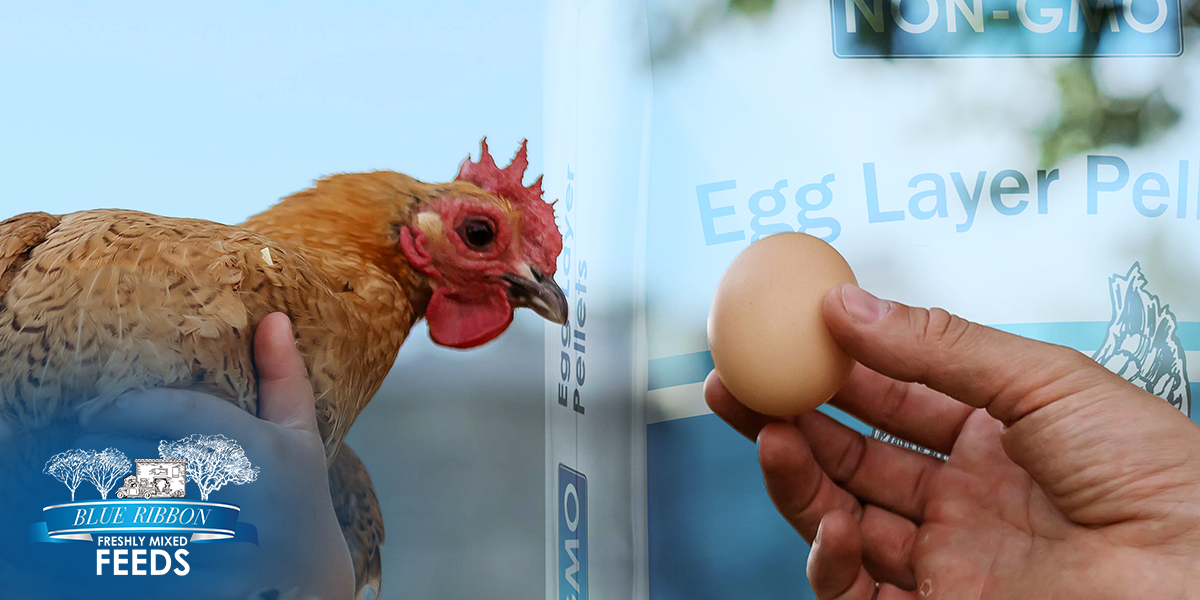
Egg production places ongoing nutritional demands on laying hens. While factors such as housing, light exposure, and flock management influence output, feed quality remains one of the most consistent drivers of performance. Non-GMO Egg Layer Pellets provide a measured way to meet the nutritional requirements needed for steady egg production and hen health.
Nutritional Needs During Lay
Once hens begin laying, their nutritional requirements increase. Energy intake must support daily maintenance and egg formation. Protein and essential amino acids are required for egg mass, while calcium and phosphorus are critical for shell formation and skeletal strength.
Balanced layer feed is formulated to supply these nutrients in defined proportions. When hens receive adequate and consistent nutrition, they are better able to maintain laying cycles and shell quality. Nutrient imbalances or variability can result in reduced egg output, thinner shells, or loss of body condition.
Why Pellet Form Matters
Feed form influences how nutrients are consumed. Pelleted feeds reduce selective feeding by limiting the ability of birds to sort ingredients. This helps ensure hens consume the full nutrient profile intended in the formulation.
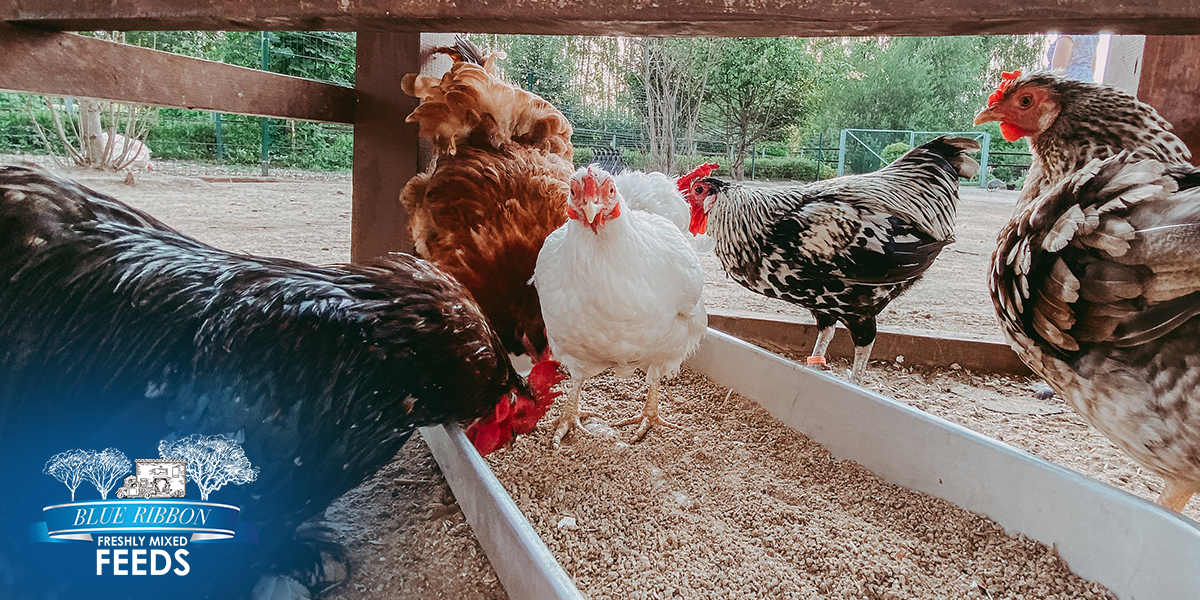
Non-GMO Egg Layer Pellets deliver uniform particle size and density, supporting consistent intake across the flock. This is particularly relevant in backyard layer feeding systems, where mixed breeds or ages may be present and feeding behavior can vary.
More uniform intake helps reduce differences in nutrient consumption between birds, which supports more consistent egg production.
Non-GMO Feed and Nutritional Adequacy
Non-GMO feed refers to ingredient sourcing, not altered nutritional targets. The nutrient requirements of laying hens remain the same regardless of whether ingredients are genetically modified.
Non-GMO Egg Layer Pellets are formulated to meet established poultry feed nutrition standards using ingredients that comply with non-GMO sourcing criteria. This approach maintains nutritional adequacy while providing transparency in ingredient selection.
From a feeding standpoint, performance depends on nutrient balance and consistency rather than ingredient classification.
Supporting Hen Health Through Balanced Feeding
Healthy laying hens require steady intake of energy, minerals, and micronutrients to maintain body condition and bone strength. Calcium is continuously mobilized for eggshell production, making consistent dietary supply essential.
Balanced poultry feed nutrition helps reduce metabolic stress by providing nutrients in predictable amounts. Hens that receive consistent nutrition are less likely to experience sharp production drops related to dietary gaps.
Maintaining body condition and skeletal health also supports longer productive cycles over time.
Practical Use in Backyard Systems
Backyard egg feed programs often include pasture access or supplemental feeds. While these inputs can contribute to diet variety, they are variable in nutrient content and should not replace a balanced layer feed.
Non-GMO Egg Layer Pellets serve as the primary nutritional foundation, allowing producers to manage supplemental feeding without disrupting overall nutrient intake. This approach supports stability across different management styles.
A Reliable Feeding Approach
Consistent egg production depends on meeting daily nutritional requirements through reliable feed delivery. Non-GMO Egg Layer Pellets provide a practical solution by combining balanced layer feed formulation with uniform intake.
At Blue Ribbon, egg layer feeds are formulated according to established poultry nutrition standards and produced with disciplined sourcing practices. Non-GMO Egg Layer Pellets are designed to support healthy laying hens and dependable egg production through consistent, well-balanced nutrition.
For producers focused on steady results, balanced feeding remains the most reliable approach to consistent lays.

Leave a comment
What do you want to hear about next? We'd love to hear from you!