
Winter Feeding Strategies for Non-GMO Backyard Flocks
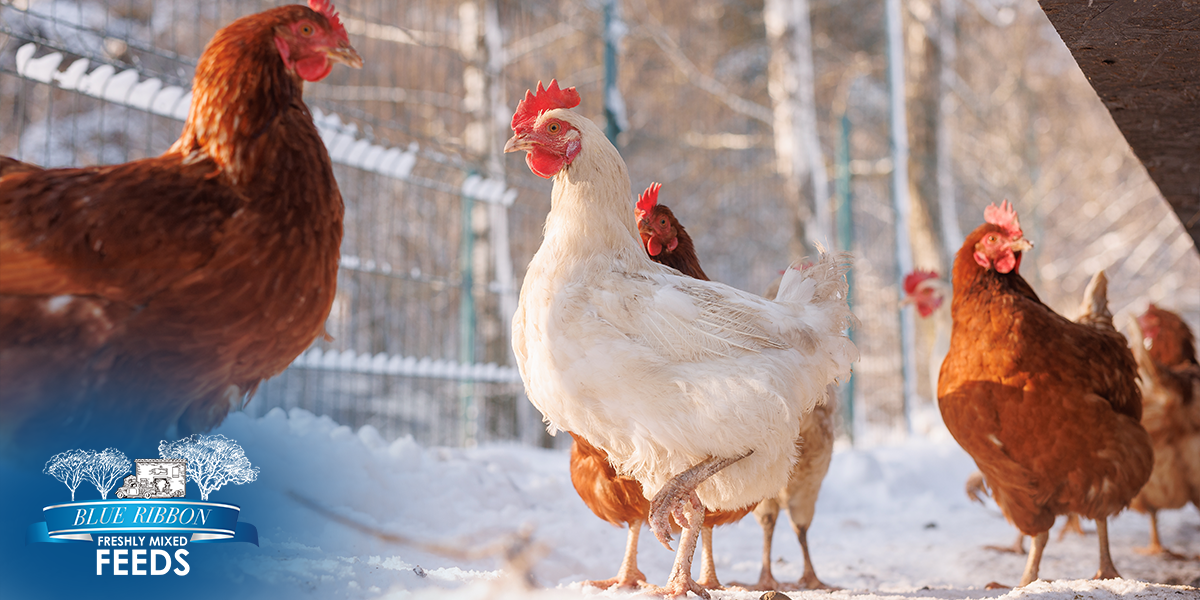
Winter weather fundamentally changes how backyard chickens manage their energy. As temperatures drop, a bird’s metabolism must work harder to maintain its core body temperature. At the same time, frozen ground and snow cover eliminate access to the insects and forage that usually supplement their diet in warmer months.
Managing a flock through the winter requires a disciplined approach to nutrition. The focus should be on consistency and practical management rather than making unnecessary or drastic dietary shifts.
Metabolism and Feed Intake
Chickens regulate their internal temperature through metabolic heat production. To stay warm, they naturally consume more calories. It is common to see feed intake increase during the winter months. This is a normal physiological response and not a signal that the feed formula itself needs to be altered.
When natural foraging is restricted by the elements, the flock relies almost entirely on provided feed for their total nutrient intake. Maintaining steady access to a complete, balanced ration is the most effective way to ensure healthy backyard chickens.
The Role of Non-GMO Chicken Feed
Non-GMO chicken feed is formulated to meet the same rigorous nutritional standards as conventional options. The distinction lies in the source of the ingredients, while the essential levels of protein, energy, vitamins, and minerals remain constant.
-
Self-Regulation: Providing continuous access to feed allows birds to adjust their caloric intake naturally based on the severity of the weather.
-
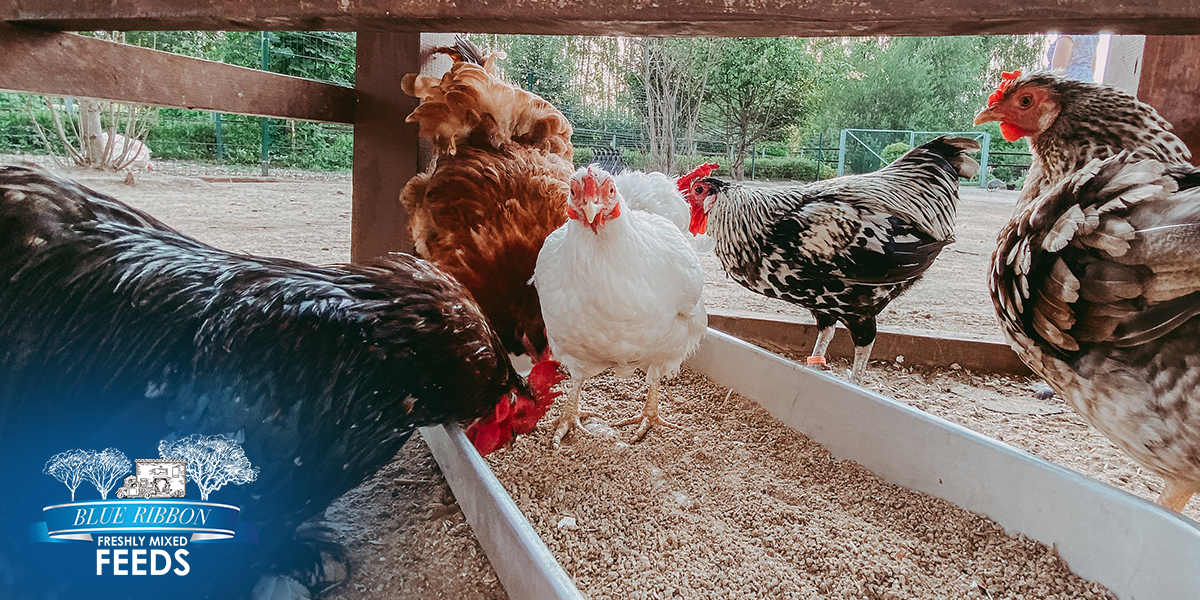
Form Consistency: Pelleted or crumbled feeds are preferred in winter to prevent selective eating and ingredient separation, ensuring every bird receives a uniform balance of nutrients.
-
Quality Control: Feed must remain dry. Moisture leads to spoilage, mold, or freezing, all of which deter consumption. Proper storage and feeder placement are essential to maintaining feed integrity.
Practical Winter Management
While energy demands are higher, large-scale changes to a feeding program are rarely necessary for backyard flock nutrition. Most birds will meet their needs simply by eating a higher volume of their standard ration.
Winter Chicken Feeding Tips
Feeding early in the day ensures birds have ample time to digest and generate heat before overnight temperatures reach their lowest point. Feeders should be situated in protected areas and shielded from wind or precipitation to encourage consistent intake.
Use of Scratch Grains
Scratch grains may be offered as a supplemental energy source, but they must be managed with restraint. They are not a substitute for a balanced ration. Excessive grain feeding can dilute the protein and mineral levels necessary for long-term health.
Cold Weather Poultry Care
Hydration is a critical aspect of cold weather poultry care. A chicken will stop eating if it cannot drink. Frozen water sources lead to immediate metabolic stress and weight loss. Utilizing heated waterers or providing frequent refreshes of unfrozen water is a non-negotiable requirement for winter survival.
Stability Over Complexity
Effective winter feeding backyard flocks is defined by simplicity. Frequent changes to a feeding program or the introduction of complex supplements often do more harm than good by disrupting digestive stability.
A reliable feeding program, built on high-quality feed and unfrozen water, provides the necessary foundation. At Blue Ribbon, we believe in a disciplined approach: prioritize access, maintain consistency, and protect the flock from the elements. This straightforward strategy ensures birds remain resilient through the winter and are prepared for the next production cycle.

Leave a comment
What do you want to hear about next? We'd love to hear from you!