
Backyard to Commercial: Choosing Non-GMO Poultry Feed That Performs
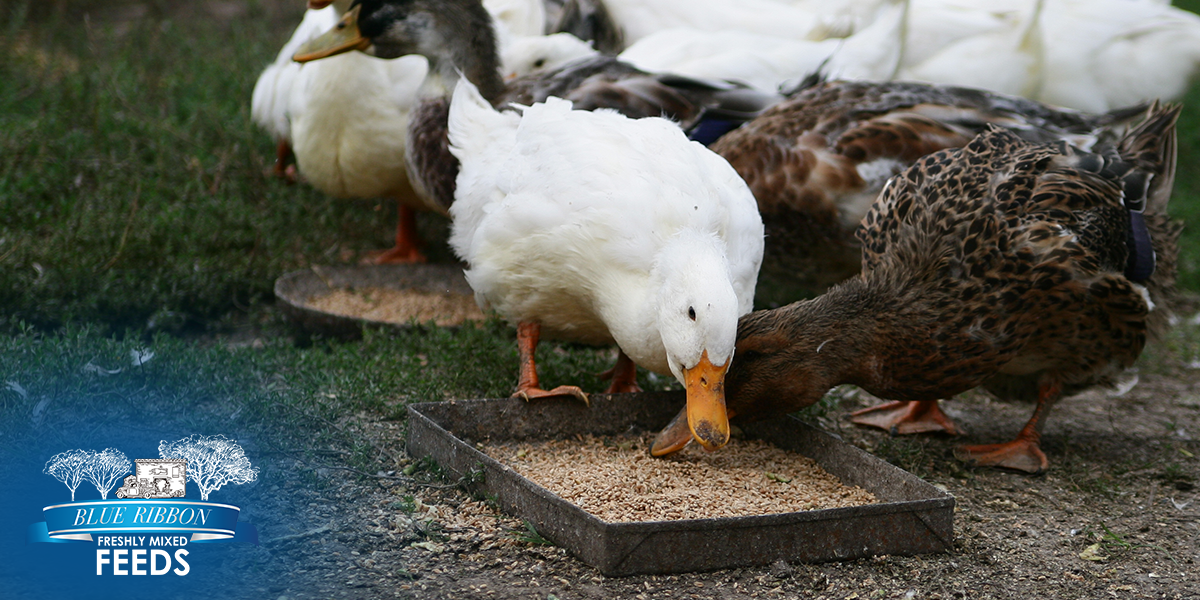
Poultry operations vary widely, from small backyard flocks to larger commercial systems. While management styles and flock size differ, the nutritional needs of chickens remain consistent. Feed quality plays a direct role in bird health, egg production, and overall flock stability. Choosing Non-GMO Poultry Feed is a practical decision for producers who want reliable nutrition without added complexity.
Poultry Nutrition Is Consistent Across Settings
Chickens require specific levels of protein, energy, vitamins, and minerals to maintain body condition and support egg production. These requirements do not change based on flock size or housing. Backyard chicken feed and commercial nutrition programs must both meet the same biological needs.
Protein supports muscle maintenance and feather quality. Energy is necessary for daily activity and egg formation. Minerals such as calcium and phosphorus are essential for bone strength and eggshell development. When these nutrients are provided in balanced proportions, birds are more likely to perform consistently.
Non-GMO Poultry Feed meets these established nutritional requirements while using ingredients sourced to non-GMO standards. The difference lies in ingredient selection, not in altering nutrient targets.
The Role of Consistency in Feed Performance
Consistent nutrient intake is important for steady egg production and overall flock health. Variability in feed composition can lead to uneven consumption and performance fluctuations. Feed formulated to deliver uniform nutrition helps reduce these risks.
High-performance feed is designed to provide predictable nutrient levels from bag to bag. Pelleted or crumbled feed forms support even intake by reducing selective feeding and feed waste. This is especially useful for mixed-age or mixed-breed flocks, which are common in backyard and small farm settings.
Maintaining a consistent feeding program supports stable production outcomes over time.
Supplementation and Feeding Practices
Backyard flocks often receive table scraps, pasture access, or forage. While these can contribute to dietary variety, they are not nutritionally complete and vary widely in nutrient content. Forage intake depends on season, weather, and availability.
Because of this variability, a balanced poultry feed remains the primary source of nutrition. Supplemental inputs should be viewed as additions rather than replacements for formulated feed. The same principle applies in commercial systems, where environmental factors and production stage influence nutrient demand.
Non-GMO Poultry Feed provides a stable nutritional base in both settings, allowing producers to manage supplemental inputs without compromising dietary balance.
Feed Quality and Ingredient Sourcing
Healthy poultry feed depends on consistent formulation and quality control. Non-GMO feed programs rely on verified sourcing and documentation to meet non-GMO standards. These practices support transparency and ingredient accountability.
Physical feed quality also matters. Uniform pellets or crumbles improve intake consistency and reduce sorting. This helps ensure birds consume the intended nutrient profile, supporting stable body condition and egg output.
Practical Feeding for Long-Term Results
Consistent egg production is closely tied to meeting daily nutrient requirements, particularly energy and calcium. When these needs are met through a reliable feed, birds are better able to maintain production across normal laying cycles.
High-performance feed is not defined by short-term changes but by dependable results over time. Balanced nutrition supports steady intake, manageable flock condition, and predictable performance.
A Practical Choice Across Scales
From backyard coops to commercial operations, Non-GMO Poultry Feed offers a straightforward approach to meeting poultry nutritional needs. The focus remains on balanced nutrition, consistent formulation, and dependable results.
At Blue Ribbon, feed is formulated using established nutritional standards and disciplined sourcing practices. Non-GMO Poultry Feed is designed to support poultry health and performance across a range of flock sizes and management styles, providing a stable foundation for long-term feeding programs.

Leave a comment
What do you want to hear about next? We'd love to hear from you!