
What Is the Best Feed for Goats in Every Season?
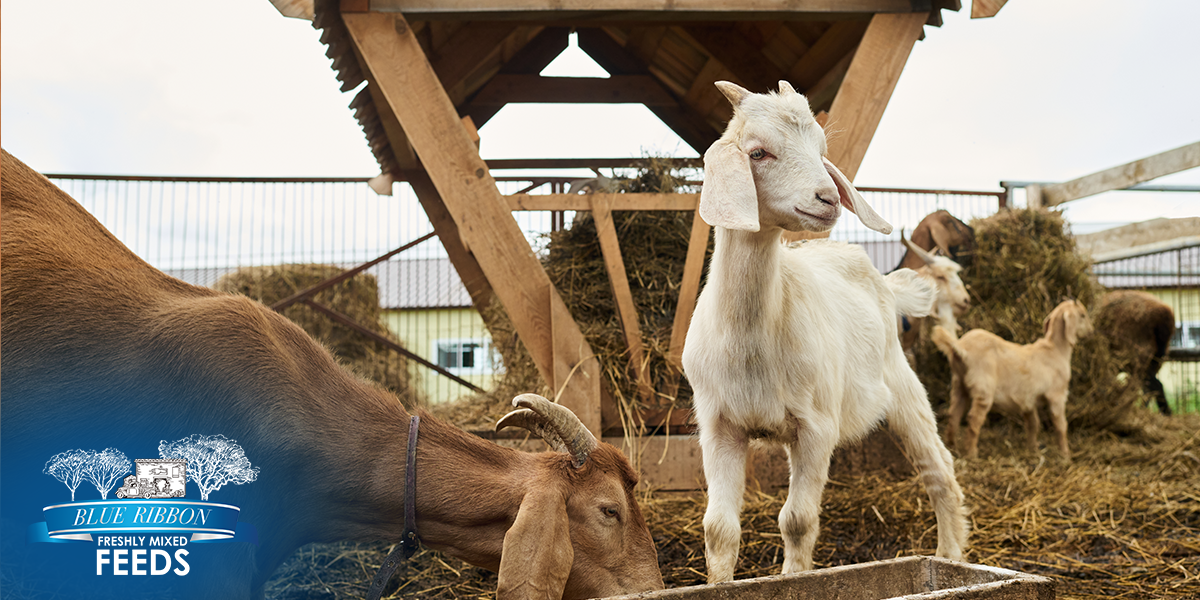
Goats are hardy, curious animals, but they still depend on you to get their diet right. What works in the green months of summer is not the same as what your herd needs in the cold of winter. Their bodies, the weather, and the food growing around them all change through the year, and their feeding plan should change too.
So what is the best feed for goats in every season? The short answer is that it starts with good forage and shifts with the calendar. In this guide, we will break down solid goat nutrition season by season, look at the difference between feeding dairy goats and meat goats, and explain why clean, non-GMO feed is worth the bag. Let us start with the basics.
Goat Nutrition Basics: Forage Comes First
Before we talk seasons, it helps to understand how a goat's stomach works. Goats are ruminants, which means they digest plant material through a special stomach system built for fiber. Because of this, the foundation of any good diet is forage. That means pasture, brush, weeds, and hay, not bags of grain.
Goats are also browsers by nature. Unlike cattle that graze grass close to the ground, goats love to reach up and nibble shrubs, leaves, vines, and weeds. Penn State Extension points out that letting goats browse freely is the heart of healthy goat nutrition. When good forage is available, much of a goat's needs are already met.
Grain and pelleted feed have a place, but they are supplements, not the main meal. Too much grain and not enough fiber can upset a goat's rumen and lead to health trouble. A simple rule to remember is forage first, supplement second. Keep that in mind and most of your seasonal feeding decisions become much easier.
The Building Blocks Every Goat Needs
No matter the time of year, goats need a handful of core things to stay healthy. Energy and protein fuel growth, milk, and daily activity. Fiber keeps the rumen working the way it should. Vitamins and minerals support bones, immune health, and reproduction.
Two items deserve special attention all year long. The first is clean, fresh water. Goats drink more than people expect, and the Merck Veterinary Manual notes that water should be easily available at all times. The second is loose goat minerals offered free choice. Goats need copper in their diet, so use a mineral made for goats and not one made for sheep.
Get these basics right and you have a steady base to build on. From there, the job is simply adjusting with the seasons.
Best Feed for Goats in Spring
Spring brings fresh, green pasture, and goats love it. The new growth is rich in protein and energy, which is great news after a long winter. The catch is that lush spring grass can hit a goat's system hard if they gorge on it too fast.
Move your herd onto new pasture slowly. Let them fill up on hay first, then turn them out for shorter periods that grow longer over a week or two. This gradual change protects the rumen and helps prevent bloat and loose stools. Any feed change, spring or otherwise, should always be made step by step rather than all at once.
Spring is also kidding season for many keepers. Pregnant and nursing does have higher needs, so they often benefit from a quality supplement alongside good forage. Growing kids need extra protein and energy to build strong frames.
Summer Goat Feeding Tips
By summer, pasture and browse are usually plentiful, which makes feeding simpler in some ways. Still, hot weather brings its own challenges, and a few summer goat feeding tips go a long way.
Heat lowers appetite, so goats may eat less during the hottest part of the day. Offer feed in the cooler morning and evening hours when they are more willing to eat. Always provide plenty of shade and keep water cool and fresh, since goats drink much more in the heat. Watch your pasture quality too, because grass can get dry and stemmy in late summer and lose some of its nutrition.
If your forage starts thinning out, a clean supplement helps fill the gap. Keep offering free-choice minerals as well, because hard-working summer goats lose minerals through sweat and milk.
Best Winter Feed for Goats
Winter is when feeding goats takes the most planning. The pasture is gone or dormant, and your animals burn extra energy just staying warm. This is the season where your feed bill and your forage stockpile really matter.
Hay becomes the main source of nutrition in winter. Good-quality hay is the best winter feed for goats, and you want plenty of it offered free choice. Grass hay works well for many adult goats, while legume hay like alfalfa offers more protein and calcium for does that are pregnant or milking. Storing enough quality hay before the cold sets in is one of the smartest moves a goat keeper can make.
Because goats spend energy keeping warm, many will also need a supplement in winter, especially pregnant does and growing youngsters. A clean, non-GMO pellet fed in measured amounts gives them the extra energy and protein the cold demands without throwing off their fiber-based diet.
Feeding Dairy Goats vs Meat Goats
Not all goats have the same job, and feed for dairy goats looks a little different from feed for meat goats.
Dairy goats put huge energy into making milk, so a milking doe needs more than forage alone can usually provide. Many keepers offer grain or a quality supplement during milking to support steady production and keep the doe in good condition. As always, hay and browse remain the base, with the supplement adjusted to how much milk she is giving.
Meat goats are raised for healthy, efficient growth. They thrive on quality forage and browse, and a supplement helps push good weight gain during growing and finishing, or when pasture runs short. Strong protein and energy matter most here.
In both cases, the principle is the same. Build the diet on forage, add a clean supplement to match the work the goat is doing, and always make changes gradually. A versatile non-GMO livestock pellet can serve both dairy and meat goats well as that steady supplement.
Why Non-GMO and Natural Goat Feed Matters
When you raise your own animals, you care about what goes into them. That is the whole reason many keepers look for non GMO feed for goat options in the first place. Clean feed means no genetically modified grains and no mystery fillers, just honest ingredients you can trust.
Choosing natural goat feed also tends to mean fresher, higher-quality grains, which your goats notice and so do you. It is a simple way to take more control over your herd's health and your own peace of mind. Better inputs usually lead to better results, and goats do well on feed that keeps things clean and straightforward.
Frequently Asked Questions
How much grain should I feed my goats?
For most goats, grain is a supplement, not the main diet. Healthy adult goats on good forage may need little or no grain, while pregnant does, milkers, and growing kids often need more. Start small, watch body condition, and adjust slowly. The Blue Ribbon Non-GMO All Stock Pellets works well as a clean, measured supplement alongside hay and pasture.
What is the best feed for goats in winter?
Good-quality hay offered free choice is the backbone of winter feeding, since pasture is gone. Pregnant and milking does often need a supplement on top of hay to handle the extra energy demands of cold weather. Pair quality hay with the Blue Ribbon Non-GMO All Stock Pellets for a simple, dependable winter plan.
Can I feed the same feed to goats and other livestock?
Often yes, if you choose a feed made for mixed stock. The Blue Ribbon Non-GMO All Stock Pellets are designed for keepers who raise more than one kind of animal, which makes feeding a small farm much simpler. Just remember that goats need their own loose mineral with copper.
Do you carry feed for poultry too?
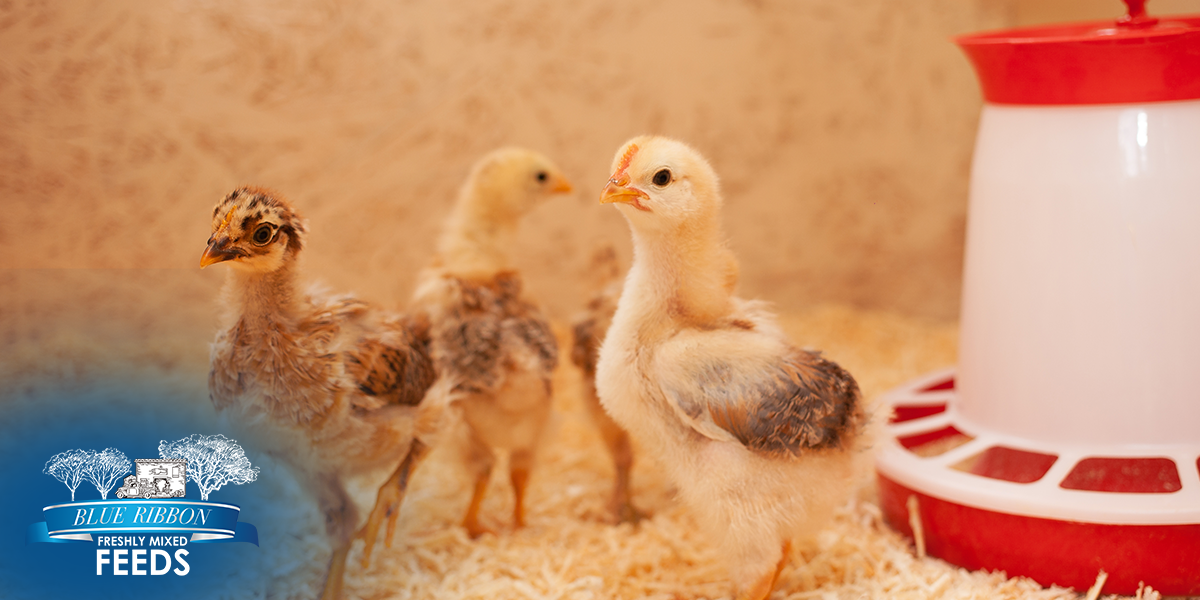
Yes. Along with goat-friendly options, Blue Ribbon offers the Non-GMO Chick Starter Crumbles for baby chicks, the Non-GMO All Flock Crumbles for mixed flocks, the Non-GMO Egg Layer Pellets for hens, and Poultry Scratch Grains as a treat. You can see the full lineup on the Blue Ribbon shop page.
Is non-GMO feed really worth it for goats?
Many keepers think so. Blue Ribbon is built on the idea that clean nutrition should not cost a bale and a half. Every bag is Non-GMO Project Verified and milled fresh in the USA, so you get honest feed at a fair price.
Final Thoughts
The best feed for goats is not a single bag or a one-time decision. It changes with the seasons, the weather, and the work your goats are doing. Build the diet on good forage, keep fresh water and goat minerals available all year, and add a clean supplement when your herd needs the extra support.
If you want a simple, dependable supplement to round out your goats' diet in any season, the Blue Ribbon Non-GMO All Stock Pellets delivers clean, American-made nutrition at a fair price. Real feed, real farmers, real results. That is what your herd deserves, all year long.

Leave a comment
What do you want to hear about next? We'd love to hear from you!