
Article: Do Organic Layer Pellets Provide Enough Calcium?
Do Organic Layer Pellets Provide Enough Calcium?
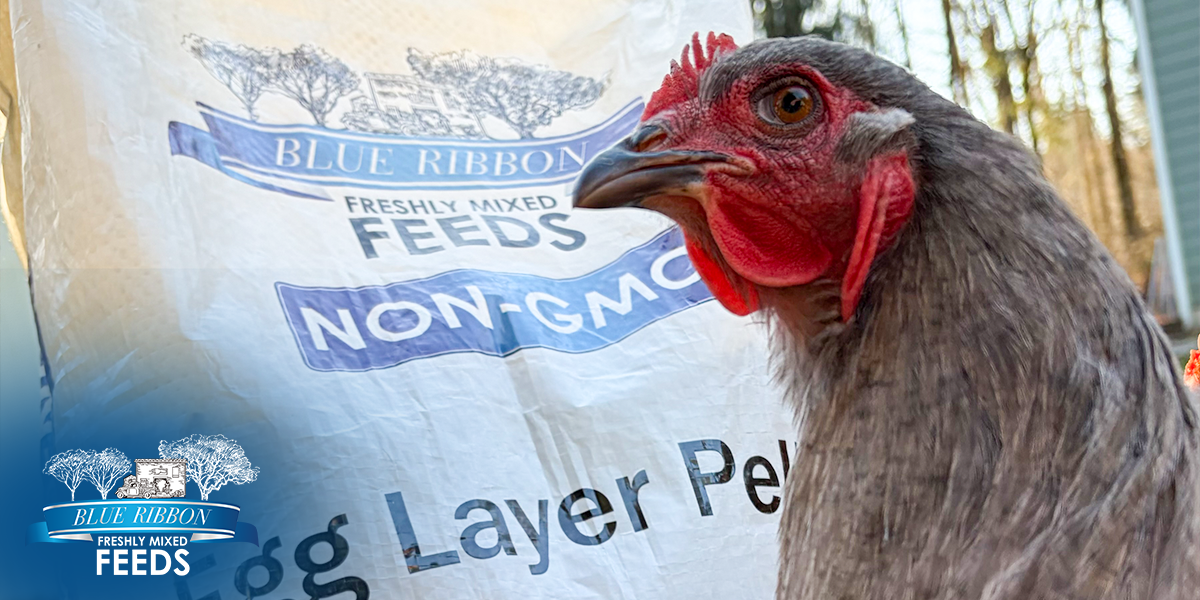
Strong, sturdy eggshells are one of the clearest signs of a healthy laying hen, and they come down to one key nutrient: calcium. So it is a fair question for any keeper who wants to feed clean and simple. If you switch to organic layer pellets, are your hens still getting all the calcium they need for good shells?
It is a smart thing to ask, because calcium is not a small detail for laying hens. A hen builds a shell around an egg almost every single day, and that takes a lot of it. In this article, we will look at how much calcium hens really need, whether organic layer pellets provide enough, and the simple backup that gives you peace of mind. Let us crack into it.
Why Calcium Matters So Much for Laying Hens
To understand the question, you first need to see just how demanding egg laying is. An eggshell is made almost entirely of calcium, so every egg your hen lays draws heavily on her supply.
A laying hen needs roughly two grams of calcium each day just to form one strong shell. If her feed does not provide enough, her body has a backup plan that is not good for her. She pulls calcium straight from her own bones to finish the shell. Over time, that leaves her weak, with brittle bones and poor shells.
This is why calcium for laying hens is such a big deal. When a hen gets enough, you see firm, smooth shells and a healthy, active bird. When she falls short, you see thin, rough, or soft shells, and eventually health problems. Getting calcium right is one of the most important parts of keeping layers, which is exactly why the feed you choose matters.
How Much Calcium Do Layer Pellets Contain?
Here is the good news. A proper layer feed is built with calcium in mind. Unlike feed for chicks or growing birds, layer pellets for chickens are formulated with a much higher calcium level to match the demands of egg production.
Oregon State University Extension notes that layer feeds contain about 16 percent protein and extra calcium, around 3 to 4 percent, so hens can lay eggs with strong shells without draining their own bodies. That calcium usually comes from natural mineral sources like ground limestone and oyster shell.
This is important for the organic question. Those calcium sources, limestone and oyster shell, are natural minerals that are perfectly at home in organic chicken feed. In other words, a quality organic layer feed is built with the same calcium levels as any other good layer pellet. The organic label changes how the grains are grown, not whether the feed contains enough calcium. So a well-made organic layer pellet starts from a solid calcium foundation.
So, Do Organic Layer Pellets Provide Enough?
For most hens, the answer is yes. A complete organic layer pellet, fed as the main diet, provides enough calcium to support good shells for the average backyard hen. That is what these feeds are designed to do, and they do it well.
But there are some situations where a hen may need a little more. Very high-producing hens and certain breeds bred to lay heavily can have higher calcium needs. Older hens often struggle to use calcium as efficiently as they once did. Hot weather can also play a role, since hens eat less in the heat and may take in less calcium as a result. In cases like these, the base level in the feed is a great start but may not be quite enough on its own.
There is also one thing keepers do that quietly undercuts even the best feed, and it is worth understanding, because it is easy to fix.
What Can Throw Off Calcium, Even With Good Pellets
The most common reason hens fall short on calcium is not the feed itself. It is everything else they eat around it. When hens fill up on treats, scratch grains, and kitchen scraps, they eat less of their complete layer feed, and that dilutes the calcium in their overall diet.
Think of it this way. Your organic layer feed is carefully balanced, but that balance only works if the pellets make up the bulk of what your hens eat. Pile on too many extras and you water down all that careful formulation, calcium included. This is why so many keepers see thin shells even when they are feeding a quality feed.
The fix is simple. Keep a complete layer pellet as the foundation of the diet, and treat scratch and snacks as a small extra rather than the main event. A good rule is to keep treats to no more than about a tenth of the diet. Do that, and your feed can do its job.
When Hens Need Extra Calcium
How do you know if your hens need more calcium? Your eggs will tell you. Watch for thin shells that crack too easily, shells with a rough or sandpaper feel, soft shells, or in more serious cases, eggs laid with no shell at all. These are the classic signs that a hen is short on calcium.
If you notice these, it does not always mean your feed is bad. It often means a particular hen has needs above what the feed alone provides, or that her diet has been diluted with too many treats. Older hens and heavy layers are the most likely to show these signs first.
The reassuring part is that a calcium shortfall is one of the easiest problems to solve in the whole coop. You do not need to switch feeds or overhaul anything. You just need to make a little extra calcium available, and let your hens do the rest.
The Simple Backup: Free-Choice Oyster Shell
The classic solution, and the one most keepers rely on, is free-choice oyster shell. You simply offer crushed oyster shell in a separate dish, always available, so hens can take what they need.
This works so well because hens are good at regulating their own calcium. Mississippi State Extension advises that if thin eggshells become a problem, adding oyster shell to the diet helps hens build stronger shells. A laying hen will visit the dish and top up her calcium, especially in the evening when shell formation happens overnight. Oyster shell is also digested slowly, which gives her a steady supply through the night.
One key tip: offer oyster shell in its own dish rather than mixing it into the feed. That way, each hen takes only what she needs, and non-laying birds like roosters or young pullets do not eat calcium they should not have. Paired with a quality organic layer pellet, free-choice oyster shell is cheap, simple insurance for strong shells all year.
Frequently Asked Questions
Do I need to add calcium if I feed a complete layer pellet?
For many hens, a complete layer feed provides enough on its own. But offering free-choice oyster shell is cheap insurance, especially for heavy layers, older hens, or during hot weather. The Blue Ribbon Non-GMO Egg Layer Pellets give hens a strong calcium base, and oyster shell on the side lets them top up as needed.
Why are my hens laying thin or soft shells?
The usual causes are not enough calcium or a diet watered down by too many treats. Make sure a complete feed like the Blue Ribbon Non-GMO Egg Layer Pellets is the main diet, keep treats small, and offer free-choice oyster shell. If problems continue, it may be worth checking with a vet.
Can I give my laying hens treats and scratch?
In moderation, yes, but keep them to a small share of the diet so they do not crowd out balanced feed and dilute calcium. The Blue Ribbon Poultry Scratch Grains are a nice treat when fed sparingly, ideally in the afternoon.
What should I feed birds that are not laying yet?
Young birds should not get the high calcium in layer feed. Start chicks on the Blue Ribbon Non-GMO Chick Starter Crumbles, and for mixed-age flocks, the Blue Ribbon Non-GMO All Flock Crumbles work well with oyster shell offered on the side. You can see the full lineup on the Blue Ribbon shop page.
Final Thoughts
So, do organic layer pellets provide enough calcium? For most hens, a quality layer pellet fed as the main diet does the job, because it is built with the calcium laying hens need for strong shells. The times to watch are heavy layers, older birds, hot weather, and diets diluted by too many treats. In all of those cases, a dish of free-choice oyster shell is the simple, reliable backup.
Feed a complete layer pellet as the foundation, go easy on the extras, and keep oyster shell within reach. If you want clean, dependable nutrition for your flock, the Blue Ribbon Non-GMO Egg Layer Pellets deliver fresh, American-made quality at a fair price. Real feed, real farmers, real results. That is what your hens deserve, one strong shell at a time.

Leave a comment
What do you want to hear about next? We'd love to hear from you!