
What to Compare When Buying Non-GMO Sheep Feed
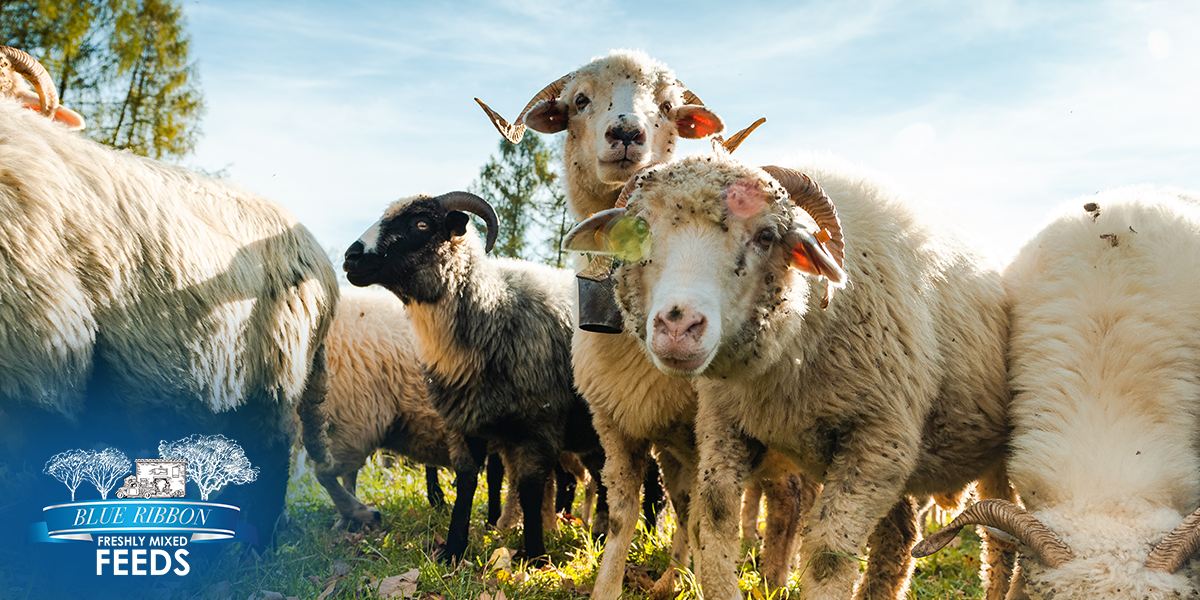
Sheep are hardy, efficient animals, but they still count on you to make good choices at the feed store. If you are moving toward cleaner feeding, you have probably noticed that not all bags are the same. Some are conventional, some are non-GMO, and the labels do not always make it easy to tell what really matters for your flock.
Choosing non GMO sheep feed is a smart step for shepherds who want more control over what their animals eat, but the non-GMO label alone is not the whole story. Sheep have some very specific needs, and one of them can be a matter of life and death. In this guide, we will walk through exactly what to compare when buying feed, from verification to copper to protein, so you can choose with confidence. Let us get into it.
Start With the Basics: Sheep Are Forage-First
Before comparing bags, it helps to remember how sheep are built to eat. Sheep are ruminants, which means their stomachs are designed to digest large amounts of plant fiber. Because of that, forage should always be the foundation of the diet.
Oregon State University Extension explains that a forage-based diet is important to keep the rumen and the animal healthy, and that any feed changes should be made gradually over a week or two. Good pasture, browse, and quality hay do most of the work of feeding a flock. Sheep also need five essential things overall: water, energy, protein, vitamins, and minerals.
Bagged feed comes in when forage is not enough on its own, such as during growth, late pregnancy, lactation, or winter when pasture is gone. That is when you reach for a supplement or complete feed, and that is exactly when comparing feeds carefully pays off. It also helps to keep clean, fresh water available at all times and to offer a loose mineral made specifically for sheep, since the right minerals prevent both deficiencies and health problems down the road. Keep the forage-first idea in mind, because it shapes everything else.
Compare the Non-GMO Verification
The first thing to compare is whether a feed is truly non-GMO or just labeled to look that way. Friendly words like "natural" do not actually guarantee that the grains are free of genetic modification. Anyone can print a nice phrase on a bag.
What you want is real, independent verification. Look for feed that is Non-GMO Project Verified, which means a third party has checked it rather than the company simply making the claim itself. That verification is your assurance that the non-GMO feed for sheep in the bag lives up to the promise on the front.
If a feed does not clearly state its non-GMO status or point to a genuine verification, treat that as a reason to look closer. A trustworthy company makes its verification easy to find, because clean feed has nothing to hide. This simple check separates real non-GMO feed from marketing dressed up to look the part.
Compare the Copper Content
Here is the comparison that matters most for sheep, and it is one many new keepers do not know about. Sheep are extremely sensitive to copper. What is a healthy amount for cattle or goats can build up and poison a sheep over time.
The Merck Veterinary Manual notes that because sheep are more susceptible than cattle to copper toxicity, care must be taken to avoid excessive copper intake. This is why you should never feed sheep a feed made for other species without checking. Feeds and minerals made for poultry, pigs, or even some cattle and goat products can contain added copper that is dangerous for sheep.
So when you compare bags, always look for a feed that is made for sheep or clearly copper-free. A copper-free feed takes the worry out of the equation and keeps your flock safe. This single check protects your sheep from a problem that is easy to prevent but very hard to reverse once it happens. When in doubt, choose the copper-free option every time.
Compare the Protein Level
Protein is the next thing to compare, and the right amount depends on what your sheep are doing. Sheep feed protein needs shift with the animal's stage of life, so match the feed to the flock in front of you.
The Merck Veterinary Manual notes that good-quality forage usually provides enough protein for mature, non-growing sheep, with a minimum of about 7 percent crude protein needed for maintenance. Growing lambs, ewes in late pregnancy, and nursing ewes all need more, often in the range of 14 to 16 percent, to support that extra work. That is when a protein-appropriate supplement earns its place.
When you read a feed tag, check the crude protein percentage and ask whether it fits your animals' needs right now. A maintenance flock on good pasture may need very little added protein, while growing or lactating animals need more. Matching sheep feed protein to the stage of life keeps your flock in good condition without wasting money on protein they do not need.
Compare the Ingredients
The fourth thing to compare is what is actually in the bag. Good sheep feed ingredients are simple and recognizable, and the label tells the story if you know what to look for.
A quality sheep feed is usually built around wholesome grains for energy, along with plant protein sources and a balanced set of vitamins and minerals suited to sheep. Many shepherds also prefer feeds with no animal byproducts, choosing clean, plant-based nutrition instead. When the ingredient list is short and clear, you can feel good about what you are feeding.
Be cautious of the opposite. Long lists of vague fillers and low-value ingredients add bulk without much nutrition, which does your flock no favors. Choosing non-GMO feed for sheep with clean, quality ingredients means more of every bite goes toward real nutrition. And as always with sheep, double-check that the mineral package is sheep-safe and free of added copper.
Compare Freshness, Source, and Value
The last thing to compare is where the feed comes from and how fresh it is. Even a well-made feed loses value if it has been sitting in storage for months, since vitamins fade over time.
Look for feed that is milled fresh and, ideally, made in the USA by a company you can learn about. Feed that ships straight from the mill reaches your flock with more of its nutrition intact, and a trustworthy source is more likely to be open about how the feed is made. A company that lists its ingredients clearly and stands behind its product is usually one you can rely on season after season. Value matters too. The best non-GMO sheep feed strikes a fair balance between quality and price, since clean feed does not have to cost a fortune when you buy from the right place. When you compare the source, you are really comparing whether you can trust what is in the bag.
Frequently Asked Questions
Does Blue Ribbon make a feed I can use for sheep?
Yes. The Blue Ribbon Non-GMO All Stock Pellets are a copper-free complete feed formulated for cattle, sheep, and goats. Because the feed is copper-free, it is a safe, sheep-friendly choice when fed alongside good forage and clean water. Every bag is Non-GMO Project Verified and milled fresh.
Why does copper matter so much for sheep?
Sheep cannot handle as much copper as other animals, and too much can build up and become toxic over time. That is why you should never feed sheep a product made for poultry, pigs, or other species without checking, and why a copper-free feed like the Blue Ribbon Non-GMO All Stock Pellets is a smart, safe pick.
Can I feed my sheep chicken feed if I have both animals?
It is not safe to assume so. Poultry feeds can contain copper and are formulated for very different animals. Keep your Blue Ribbon Non-GMO Chick Starter Crumbles and other poultry feeds for your birds, and give your sheep a feed made to be sheep-safe.
Do I still need to feed hay and pasture?
Yes. Sheep are forage-first animals, so pasture, browse, and quality hay should make up the bulk of the diet. A complete feed or supplement fills the gaps during growth, pregnancy, lactation, or winter, but it works best alongside good forage, not in place of it.
What else does Blue Ribbon offer?
Along with the All Stock Pellets, Blue Ribbon offers non-GMO poultry feeds like the Blue Ribbon Non-GMO Egg Layer Pellets and Blue Ribbon Non-GMO All Flock Crumbles. You can browse the full lineup on the Blue Ribbon shop page.
Final Thoughts
Buying non GMO sheep feed comes down to knowing what to compare. Start with real non-GMO verification, then check the copper content, since that is the one that keeps your flock safe. Compare the protein level to your animals' stage of life, read the ingredient list for clean quality, and buy fresh from a source you trust. Above all, remember that sheep are forage-first animals, so any feed you choose should support good pasture and hay rather than replace them.
If you want a clean, copper-free option for your flock, the Blue Ribbon Non-GMO All Stock Pellets deliver honest, American-made nutrition at a fair price. Real feed, real farmers, real results. That is what your sheep deserve at every feeding.

Leave a comment
What do you want to hear about next? We'd love to hear from you!