
Homestead Ready: Essential Feed Planning for First-Time Livestock Owners
Starting a homestead is exciting, rewarding, and full of new learning curves. For many first-time livestock owners, one of the biggest challenges is understanding how to choose and manage feed correctly.
Good nutrition sets the foundation for healthy animals, productive flocks and herds, and a sustainable homestead. Thoughtful livestock feed planning helps prevent waste, ensures balanced diets, and supports long-term success for both animals and farmers.
At Blue Ribbon Non-GMO Feeds, we believe beginner livestock keepers deserve clear, trustworthy guidance. Whether you’re raising poultry, goats, pigs, or cattle, smart feed decisions start on day one.
Know What Your Animals Need
Different species have different nutritional needs, and even animals within the same species require specific feed types depending on their age and purpose. This is why understanding labels and choosing the correct formula is an essential part of beginner feed management.
For example:
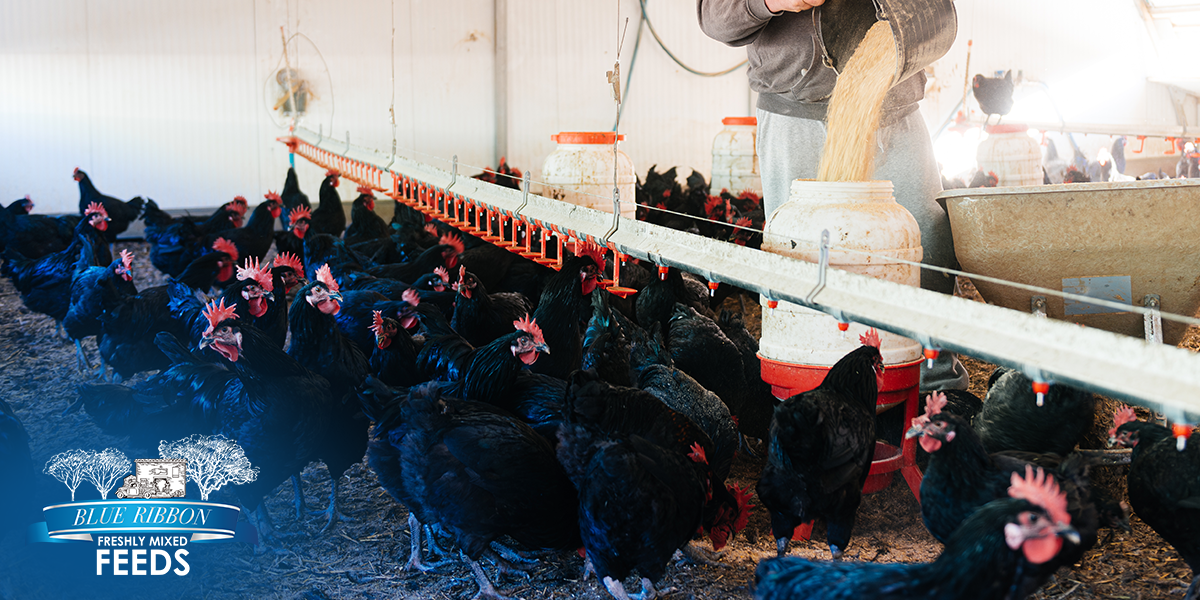
- Chicks and ducklings need high-protein starter feeds to support rapid early growth.
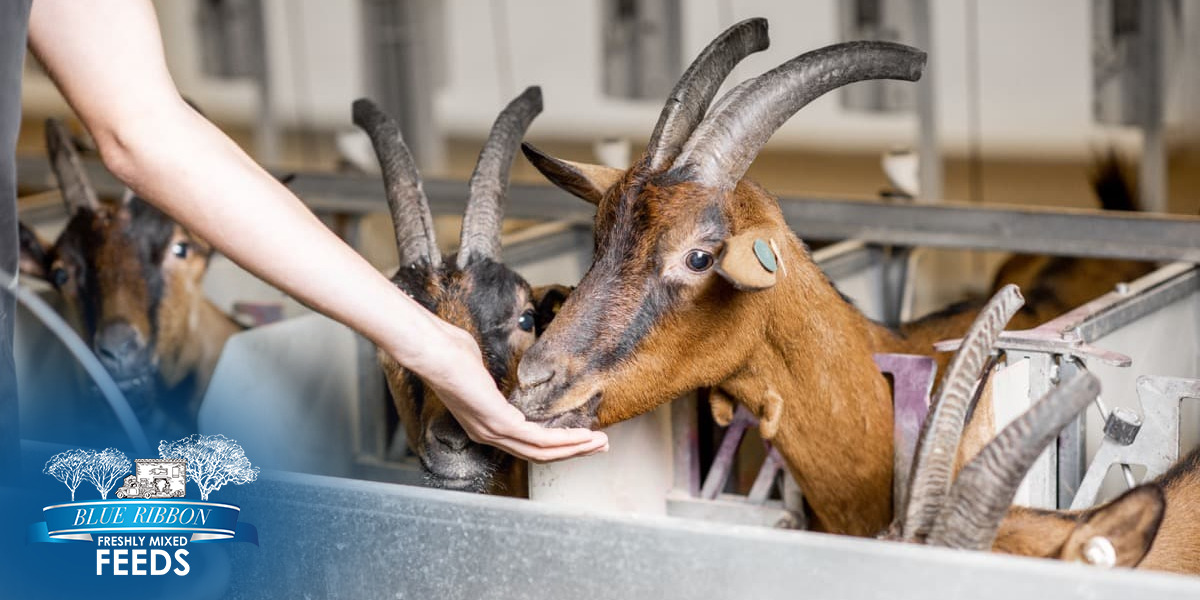
- Goats thrive on balanced rations that complement forage while protecting rumen function.
- Pigs benefit from nutrient-dense, easily digestible diets as they grow.
- Layers require added calcium once they reach maturity to support strong shell production.
A well-structured animal feed guide helps you identify the right feed at the right stage, preventing nutritional gaps and promoting strong development.
Plan Your Feed Budget and Storage
Feed planning isn’t just about nutrition. First-time livestock owners also need to think about storage, shelf life, and budgeting. Proper planning ensures you’re never scrambling during a busy week on the homestead.
Key tips for effective homestead feed planning:
- Buy fresh feed in manageable quantities to maintain peak nutrition.
- Store bags in rodent-proof, moisture-proof containers to prevent spoilage.
- Rotate feed using the first in, first out method to keep everything fresh.
- Estimate monthly feed consumption based on the number and size of animals.
Good storage protects nutrients, prevents mold, and ensures animals receive consistent quality every day.
Choose Clean, Natural Nutrition
For many new homesteaders, natural farming is part of the dream. Choosing clean, trustworthy feed is one of the most impactful steps you can take toward sustainable livestock care.
The benefits of non-GMO feed include:
- Cleaner ingredient sources
- Stable digestion and improved feed efficiency
- Reduced exposure to synthetic additives
- Better long-term animal performance
Blue Ribbon Non-GMO Feeds uses wholesome grains, natural formulations, and added probiotics to support digestive health and immunity. For beginners, this means you don’t have to guess about what’s inside the bag. You can feed confidently knowing your animals are receiving clean, balanced nutrition.
Start Small and Build a Routine
For first-time livestock owners, the learning process is easier when approached step-by-step. Establishing a daily feeding routine creates consistency for both animals and caretakers. Animals thrive on predictable schedules, and routines make it easier to catch early signs of illness or behavioral changes.
A simple daily routine might include:
- Checking feed and water levels
- Observing animals during feeding for signs of stress or competition
- Keeping feed areas clean
- Monitoring body condition and adjusting feed amounts as needed
These small habits build confidence and set the foundation for long-term homestead success.
Track Growth and Adjust as Needed
Nutrition needs change as animals grow. That’s why livestock feed planning is an ongoing process rather than a one-time decision. Monitor body condition, growth rate, and overall behavior. Young animals will transition from starter to grower feeds, while maturing animals may need increased minerals, protein changes, or specific dietary adjustments.
If you’re raising layers, broilers, meat goats, dairy animals, or multi-species livestock, be prepared to adjust feed types around developmental milestones.
Feed With Confidence, Raise With Purpose
Building a homestead takes passion and patience, but with the right feed plan, your animals will reward you with steady growth, good health, and natural productivity. Choosing high-quality, non-GMO feed and practicing smart storage and feeding routines will help ensure your new homestead starts strong and thrives for years to come.
Explore Blue Ribbon Non-GMO Feeds at BlueRibbonNonGMO.com and give your animals the natural nutrition they deserve.

Leave a comment
What do you want to hear about next? We'd love to hear from you!