
The Hidden Link Between Feed Quality and Farm Odor Control
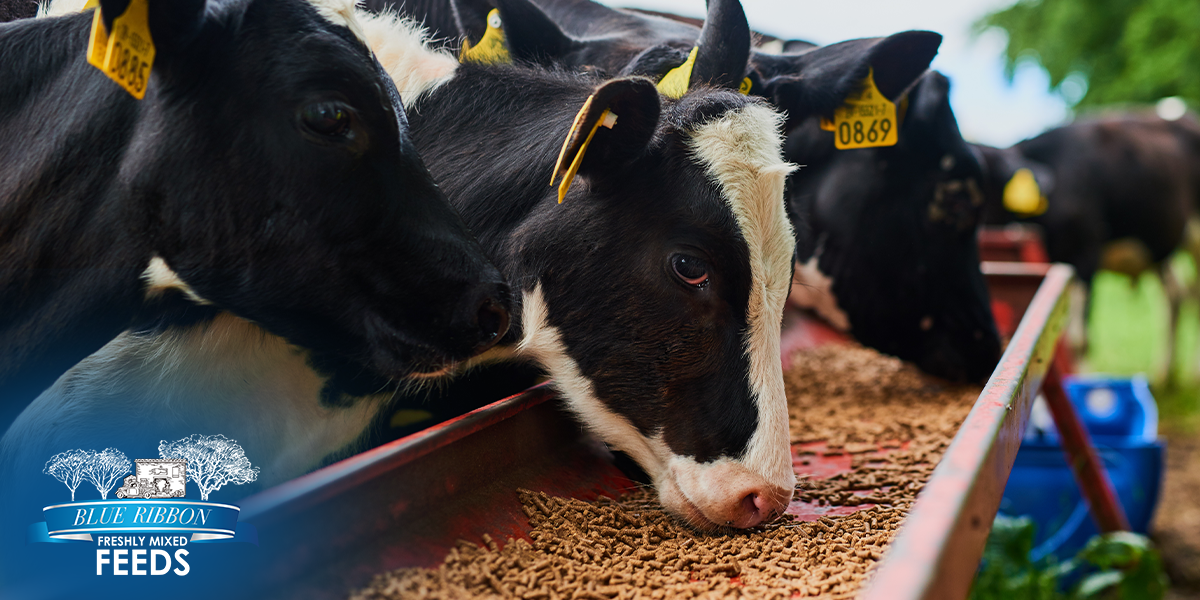
Farm odor is a fact of life in agriculture, but its severity is not just a matter of manure storage or animal numbers. One of the most overlooked influences on farm odor control is something much simpler: the feed you choose. High feed quality does more than support healthier animals. It directly affects digestion, manure composition, and the level of odor released on your farm.
For livestock owners aiming for a cleaner, more sustainable operation, understanding how nutrition affects odor is a powerful step toward better manure management and overall farm health. At Blue Ribbon Non-GMO Feeds, we believe clean, natural ingredients shape not just performance but the entire environment animals live in.
Why Feed Quality Matters for Odor
Odor begins in the gut. When animals receive high-quality, well-balanced feed, their digestive systems work more efficiently. This means feed is broken down more completely and the nutrients are absorbed instead of passing through the body unused. Poor digestion often leads to wetter manure, excessive ammonia, and stronger odors.
Low-quality feeds that use inconsistent ingredients or unnecessary fillers often create digestive stress in livestock. This increases fermentation in the gut, which raises the production of sulfur and ammonia compounds. These gases are the primary contributors to strong farm odors.
Choosing high-quality, consistent nutrition supports smoother digestion and reduces the compounds that create unpleasant smells.
The Role of Non-GMO Feed in Odor Reduction
The benefits of non-GMO feed extend beyond health and transparency. Clean, non-GMO grains are easier for animals to digest because they are not treated with synthetic chemicals or genetically modified inputs. This natural profile supports steadier gut function and improves how efficiently livestock use their feed.
Better digestion means:
- Less undigested feed in manure
- Lower ammonia output
- Drier, more stable manure
- Reduced odor during storage and spreading
Blue Ribbon Non-GMO Feeds are made from clean, traceable ingredients that help animals convert nutrients more effectively. Consistent performance in the gut helps create manure that is easier to manage and less likely to cause odor issues.
Feed Efficiency and Its Impact on Odor
Feed efficiency is one of the strongest indicators of how well animals are digesting their rations. When livestock convert feed efficiently, more nutrients go into growth, energy, and productivity and less ends up in the manure pile.
High-quality feed boosts feed efficiency by providing balanced amino acids, digestible energy, and stable vitamin and mineral levels. This reduces the volume of manure produced and also lowers the concentration of odor-causing compounds.
Improving feed efficiency benefits both the animals and the homestead environment, making it a cornerstone of effective manure management.
Livestock Nutrition Shapes the Whole Farm Environment
What you put into your animals ultimately shapes the environment you walk into every day. High-quality livestock nutrition helps animals maintain healthy digestion, calm behavior, and steady growth. Poor nutrition often leads to digestive upset, loose manure, and higher odor levels around pens, barns, and pastures.
Focusing on clean, balanced nutrition helps produce manure that is:
- Firmer and easier to collect
- Lower in moisture
- Less prone to ammonia release
- More predictable for composting and field application
Better manure means better soil health and improved long-term pasture productivity. Healthy digestive systems make healthier farms.
Practical Steps for Odor Control Through Feed
New and experienced farmers can take simple steps to reduce odor by improving feed quality:
• Choose consistent, fresh feed formulated for the species and life stage
• Avoid feeds with fillers or artificial additives that disrupt digestion
• Use non-GMO or natural formulations to support gut health
• Supplement with probiotics when appropriate
• Stick to a regular feeding schedule to support digestive stability
• Monitor manure consistency as a sign of dietary balance
By combining these practices with proper cleaning and storage, you create a more pleasant and sustainable farm environment.
Better Feed, Better Air, Better Farm
Odor control does not begin in the manure pit or the barn. It begins in the feed scoop. By choosing high-quality, non-GMO nutrition, farmers support both animal wellbeing and a cleaner farm atmosphere.
Blue Ribbon Non-GMO Feeds offer clean ingredients and dependable nutrition that help reduce odor at its source. Improve digestion, enhance feed efficiency, and enjoy a more comfortable environment for both livestock and caretakers.
Explore the full line of Blue Ribbon Non-GMO Feeds at BlueRibbonNonGMO.com and breathe easier knowing your farm starts with better feed.

Leave a comment
What do you want to hear about next? We'd love to hear from you!