
How to Choose the Best Feed for Layers
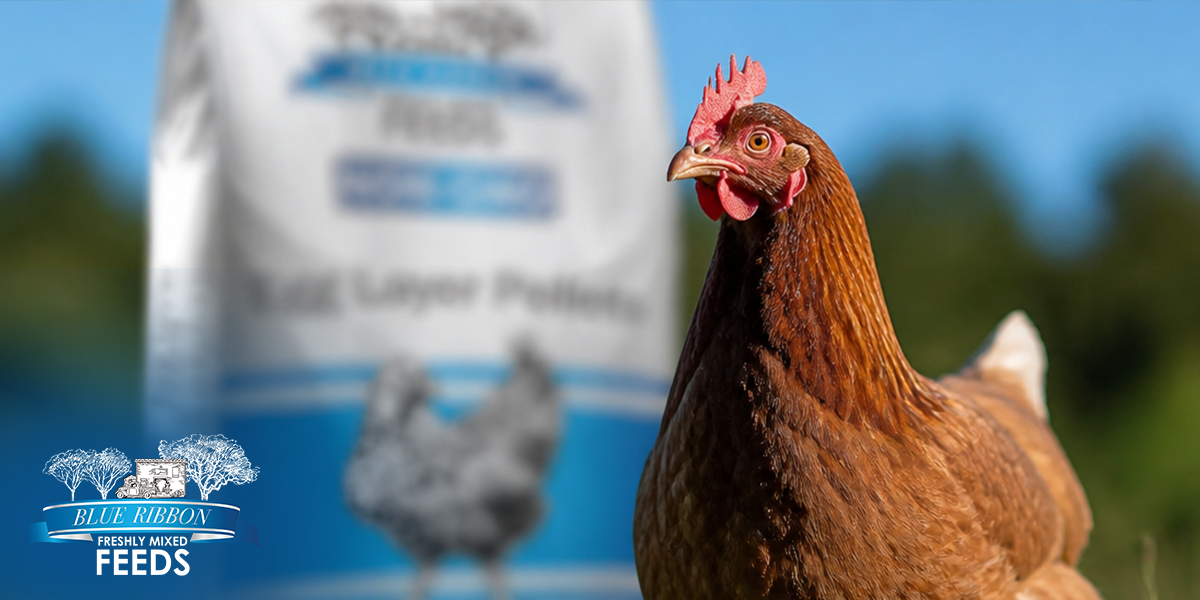
Fresh eggs are the reward every backyard keeper hopes for, and the secret to steady, quality eggs sits right in the feeder. Feed your hens well and they reward you with rich yolks and strong shells. Feed them poorly and egg production drops, shells turn thin, and your birds fall out of condition. That is why choosing the right feed matters so much.
But with so many bags on the shelf, how do you pick the best chicken feed for layers? The answer comes down to understanding what a laying hen actually needs and knowing what to look for on the label. In this guide, we will break down layer feed nutrition, the ingredients that matter most, and how to choose a feed that keeps your hens laying their best. Let us get into it.
What Makes Layer Feed Different
Not all chicken feed is the same, and layer feed stands apart for one big reason: it is built for the demands of egg production. A laying hen puts an enormous amount of her body's resources into making an egg nearly every day, and her feed has to keep up.
The two things that set a good layer chicken feed mix apart are protein and calcium. Protein supplies the building blocks for the egg itself, especially the white and the yolk. Calcium is what builds the hard shell around every egg. A hen that does not get enough of either will either slow her laying or start pulling calcium from her own bones, which harms her health over time.
This is why you cannot simply feed laying hens the same ration you feed chicks or growing birds. Their needs are different, and the best feed for laying hens is one made specifically for the job of producing eggs. Everything else we cover builds on this idea.
The Key Layer Feed Ingredients to Look For
Once you know what a hen needs, you can start reading feed bags with a sharper eye. Good layer feed ingredients are not complicated, but they do matter. Here is what belongs in a quality mix.
Start with quality grains such as corn and wheat, which provide energy and form the base of most feeds. Next comes a solid protein source, often soybean meal, which supplies the amino acids hens need to build eggs. Then comes calcium, usually from calcium carbonate, ground limestone or oyster shell, which gives hens the raw material for strong shells. Finally, a good feed includes a balanced mix of vitamins and minerals to support overall health, immune function, and steady laying.
Just as important is what you do not want to see. Cheap fillers, vague ingredients, and feeds built mostly around low-value grain add bulk without much nutrition. Some keepers also prefer to avoid genetically modified grains, choosing non-GMO feed for cleaner, more honest ingredients. When the ingredient list is short and recognizable, you can feel good about what your hens are eating.
Getting the Nutrition Right: Protein and Calcium
Numbers help when you are comparing feeds, so it pays to know the targets for good chicken feed for egg production. These two figures matter most.
For protein, a quality layer feed usually falls between 15 and 18 percent. That range gives hens enough to sustain steady egg production without waste. For calcium, the level is much higher than in other feeds. Oregon State University Extension notes that layer feeds contain about 16 percent protein and extra calcium, around 3 to 4 percent, so hens can lay eggs with strong shells without draining their own bodies.
Phosphorus and vitamin D also play supporting roles, since they work with calcium to build shells and keep bones strong. You do not need to memorize every number, but knowing that layer feed nutrition centers on solid protein and plenty of calcium helps you spot a quality feed quickly. If a feed falls short on either, it is not the right choice for laying hens.
Why a Complete Feed Beats a Homemade Grain Blend
Some keepers are tempted to make their own layer chicken feed mix by combining grains, or to lean heavily on scratch and cracked corn. It seems thrifty, but it usually backfires. Whole grains and scratch are low in protein and short on calcium, so a diet built around them leaves big nutritional gaps.
When grains make up the bulk of a hen's diet, you often see the results in the nest box. Eggs come out with thin, weak shells, and hens may lay less often. The birds simply are not getting the balanced nutrition that egg production demands. A complete layer feed solves this by delivering every nutrient in the right proportion, in every bite.
That is the real value of a properly formulated feed. The best chicken feed for layers is not a random blend of grains but a balanced, complete ration designed by people who understand what hens need. Use that as your foundation, and treats or scratch stay a small extra rather than the main event.
How to Read a Layer Feed Label
Learning to read a feed tag takes the mystery out of shopping. The label tells you exactly what is inside, if you know where to look.
Alabama Cooperative Extension advises keepers to pay attention to the feed label so you can match the nutrients to the needs of laying hens. Start with crude protein, which should land in that 15 to 18 percent range for layers. Then check the calcium and phosphorus levels, since these two minerals are the most important for building strong eggshells. Finally, scan the ingredient list for quality grains and a clear protein source, and be wary of long lists of fillers you do not recognize. A little label reading goes a long way toward choosing a feed you can trust.
Pellets, Crumbles, or Mash?
Layer feed comes in a few forms, and the right one is mostly about reducing waste and keeping birds eating well. Each has its place.
Mash is finely ground and loose. Some hens like it, but it tends to create more waste and lets picky birds sort through it. Crumbles are coarser than mash and easy for birds to eat, which many keepers find convenient. For many laying flocks, pellets offer a bigger more consistent bite which means a clean, efficient, no-fuss option.
Getting the Most From Your Layers
Great feed is the foundation, but a few extra habits help your hens reach their full potential. These simple steps round out any good poultry feed for layers.
Offer crushed oyster shell free choice, on the side, so hens can top up calcium when they need it for shell strength. Provide grit to help them digest their food. Keep clean, fresh water available at all times, since even a short shortage can slow laying. Go easy on treats and scratch grains, keeping them to a small share of the diet so they do not crowd out balanced feed.
Remember that hens lay best with enough daylight, so production naturally dips or ceases in the short days of winter. With quality feed and steady care, your flock can lay well for years.
Frequently Asked Questions
What should I feed my laying hens?
Laying hens need a complete layer feed with the right balance of protein and added calcium for strong shells. The Blue Ribbon Non-GMO Egg Layer Pellets are built for exactly this, giving your hens clean, non-GMO nutrition to support steady egg production.
Can I just feed my hens scratch grains or a grain mix?
No. Scratch and plain grain mixes are low in protein and calcium, so they cannot support good laying on their own. Keep a complete feed as the main diet and use the Blue Ribbon Poultry Scratch Grains only as a small treat.
What should I feed chickens before they start laying?
Young birds need starter and grower feed before they are ready for layer feed. The Blue Ribbon Non-GMO Chick Starter Crumbles are made for the first several weeks, giving chicks the higher protein they need to grow strong before moving toward laying age.
I have a mixed flock. Can I still feed layer feed?
If your flock includes roosters, chicks, or non-laying birds, a layer feed's high calcium is not ideal for all of them. The Blue Ribbon Non-GMO All Flock Crumbles are a flexible choice for mixed flocks, with oyster shell offered on the side for the layers.
Do you carry feed for other animals besides chickens?
Yes. Blue Ribbon also offers the Blue Ribbon Non-GMO All Stock Pellets for keepers raising more than just poultry. You can browse the full lineup on the Blue Ribbon shop page.
Is non-GMO layer feed worth it?
Many keepers think so. Blue Ribbon is built on the idea that clean nutrition should not cost a bale and a half. Every bag is Non-GMO Project Verified and milled fresh in the USA, so you get honest feed at a fair price.
Final Thoughts
Choosing the best chicken feed for layers does not have to be complicated. Look for a complete layer feed with quality grains, a solid protein source around 15 to 18 percent, and plenty of calcium for strong shells. Skip the homemade grain blends that leave nutritional gaps, learn to read the feed label, and keep oyster shell, grit, and fresh water on hand.
If you want clean, dependable nutrition for your laying flock, the Blue Ribbon Non-GMO Egg Layer Pellets deliver fresh, American-made quality at a fair price. Real feed, real farmers, real results. That is what your hens deserve every time they head to the nest box.

Leave a comment
What do you want to hear about next? We'd love to hear from you!