
When to Start Feeding Egg Layer Pellets
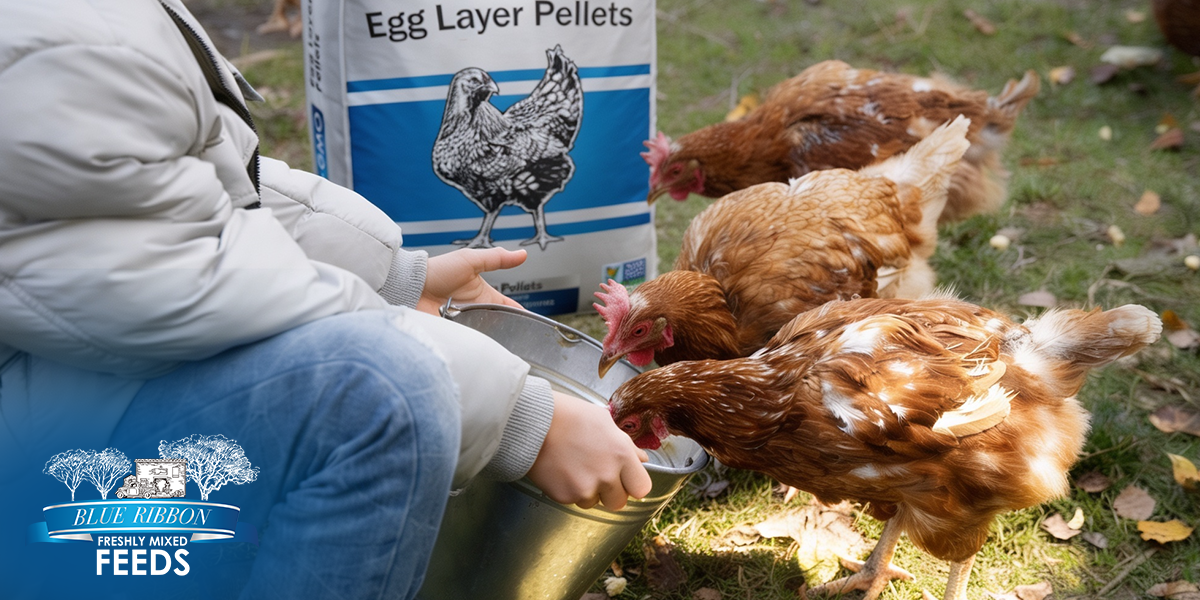
If you are raising chicks with dreams of fresh eggs, there is one question that comes up sooner or later: when do you switch your birds to egg layer pellets? Feed them too early and you can cause harm. Feed them too late and your hens may not have what they need for strong shells and steady eggs.
The good news is that the timing is not complicated once you know what to look for. In this guide, we will explain what egg layer pellets are, exactly when to start feeding them, and why that timing matters so much. We will also cover the simple signs that your hens are ready and how to make the switch smoothly. Let us dig in.
What Are Egg Layer Pellets?
Egg layer pellets are a complete feed made for hens that are actively laying eggs. They are formulated with the right balance of protein, vitamins, and minerals to support egg production, and they include extra calcium that laying hens need to build strong eggshells.
The word "pellets" simply describes the shape of the feed. Egg layer feed comes in a few forms, including pellets, crumbles, and mash. Pellets are compact and firm, which means birds waste less and cannot pick out only their favorite bits. Every bite delivers the same balanced nutrition, which is one reason many keepers prefer egg laying pellets over looser forms.
What sets layer feed apart from other chicken feed is the calcium. A laying hen pulls a large amount of calcium from her diet to form each shell. Layer pellets usually contain around 3 to 4 percent calcium, compared to the much lower level in feed for young, growing birds. That extra calcium is exactly why timing matters, which brings us to the main question.
The Short Answer: When to Start
Most hens are ready for egg layer pellets at around 18 weeks of age, or when they lay their first egg, whichever comes first. Oregon State University Extension notes that layer feed is generally started for hens beginning around 18 to 20 weeks of age, right as egg production begins.
Before that point, your birds should be on age-appropriate feed. Baby chicks eat a high-protein starter feed from hatch to about six weeks. From roughly seven to seventeen weeks, growing pullets eat a grower or developer feed. Then, as they approach laying age, they move on to layer pellets.
So the simple rule is this. Watch for the first egg or the 18-week mark, and use that as your signal to switch. Some breeds start a little earlier and some a little later, so let your own birds guide you rather than the calendar alone.
Why Timing Matters So Much
It might be tempting to start layer feed early just to be ready, but that is a mistake. The high calcium in egg layer pellets is great for laying hens and hard on birds that are not laying yet.
Young, growing chickens only need a small amount of calcium in their diet. When they get too much, the excess can strain and even damage their kidneys over time. That is why you should never feed layer pellets to chicks or young pullets before they are close to laying. Their bodies simply are not built to handle that calcium load yet.
The flip side matters too. Once a hen starts laying, she needs that calcium and protein to keep up with egg production. If a laying hen stays on low-calcium grower feed too long, you may see thin or weak eggshells. Getting the timing right protects your birds on both ends.
Signs Your Hens Are Ready to Lay
Your hens will tell you when they are getting close, and reading those signs is the surest way to time the switch. Age is a good starting guide, but behavior and appearance seal the deal.
Watch for these common signals as your birds approach laying age. Their combs and wattles grow larger and turn a brighter, deeper red. They start to explore and scratch around in nest boxes. Some hens begin to crouch or squat when you reach toward them, which is a classic pre-laying behavior. And of course, the clearest sign of all is that first small egg showing up in the coop.
When you notice these changes, or when that first egg appears, it is time to move your flock onto egg layer pellets. If a few birds mature faster than others, use the flock's overall readiness as your guide.
How to Transition to Layer Pellets
Chickens have sensitive digestive systems, so any feed change should be made gradually rather than all at once. A sudden switch can upset their stomachs and put them off their feed.
Plan to transition over about a week to ten days. Start by mixing a small amount of the new layer pellets in with their current grower feed. Each day, add a little more layer feed and a little less of the old feed, until the birds are eating only layer pellets. This slow blend gives their systems time to adjust and keeps them eating steadily.
During the switch, keep fresh water available at all times and try not to introduce other big changes at once. A calm, gradual transition sets your hens up to keep laying without a hitch.
Pellets, Crumbles, or Mash?
Layer feed comes in different textures, and keepers often wonder which is best. Each has its place, so it helps to know the differences.
Mash is finely ground and loose, which some birds enjoy but which also leads to more waste and picky eating. Crumbles are a middle ground, coarser than mash and often easier for smaller birds. Pellets are the most compact form, and they tend to produce the least waste because birds cannot sort through them for favorite pieces. For most laying flocks, egg layer pellets offer a clean, efficient, no-fuss option that delivers consistent nutrition in every bite.
Getting the Most From Egg Laying Production
Good feed is the foundation, but a few extra habits help your hens reach their full egg laying production. These small steps make a real difference over a laying season.
Offer crushed oyster shell free choice, on the side, so hens can take extra calcium when they need it for shell strength. Provide grit to help them digest their food properly. Keep clean, fresh water available at all times, since a hen that is short on water will quickly slow her laying.
Go easy on treats and scratch grains, keeping them to a small share of the diet so they do not crowd out balanced feed. Finally, remember that hens lay best with enough daylight, so egg production naturally dips in the short days of winter. With clean feed and steady care, your flock can lay well for years.
Frequently Asked Questions
At what age do I start feeding egg layer pellets?
Most hens are ready at about 18 weeks of age or when they lay their first egg. Before that, keep them on starter and then grower feed. The Blue Ribbon Non-GMO Egg Layer Pellets are made to support hens once they begin laying, with clean nutrition and added calcium for strong shells.
What should I feed my chickens before they start laying?
Baby chicks need a high-protein starter feed for the first six weeks or so. The Blue Ribbon Non-GMO Chick Starter Crumbles are built for that early stage, with a crumble texture that is easy for tiny beaks to handle. After that, growing pullets move to a grower feed until they are close to laying.
Can I feed layer pellets to a mixed flock with roosters or young birds?
It is better not to, because the extra calcium in layer feed is too much for birds that are not laying. For mixed-age flocks, the Blue Ribbon Non-GMO All Flock Crumbles are a flexible choice. Just offer oyster shell on the side so your laying hens get the calcium they need.
Can I give my laying hens treats?
In moderation, yes. The Blue Ribbon Poultry Scratch Grains make a nice treat, but keep scratch to a small part of the diet so it does not replace balanced layer feed. Feed it in the afternoon after birds have had their complete feed.
Do you carry feed for other animals besides chickens?
Yes. Along with poultry feeds, Blue Ribbon offers the Non-GMO All Stock Pellets, a versatile option for keepers who raise more than just chickens. You can browse the full lineup on the Blue Ribbon shop page.
Is non-GMO layer feed worth it?
Many keepers think so. Blue Ribbon is built on the idea that clean nutrition should not cost a bale and a half. Every bag is Non-GMO Project Verified and milled fresh in the USA, so you get honest feed at a fair price.
Final Thoughts
Knowing when to start feeding egg layer pellets comes down to a simple rule: wait until your hens are about 18 weeks old or laying their first egg, then switch gradually. Start too early and the extra calcium can harm young birds. Start on time and you give your hens exactly what they need for strong shells and steady eggs.
If you are ready to support your laying flock with clean, dependable nutrition, the Blue Ribbon Non-GMO Egg Layer Pellets deliver fresh, American-made feed at a fair price. Real feed, real farmers, real results. That is what your hens deserve when the eggs start rolling in.

Leave a comment
What do you want to hear about next? We'd love to hear from you!